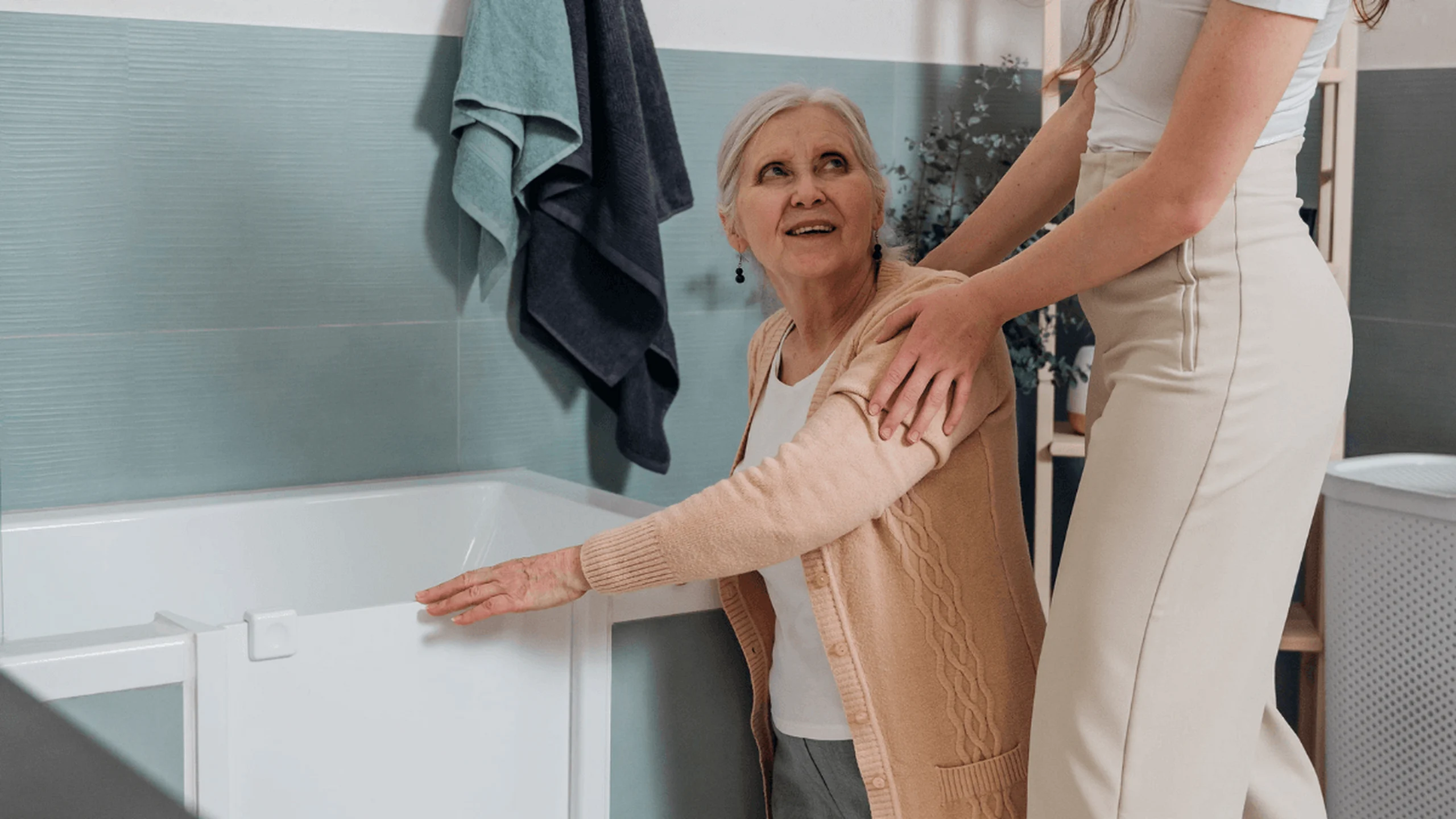
But after a change in health, whether sudden or gradual, a home that once felt completely comfortable and safe may need some adjustments. Even a simple everyday task like washing can become more difficult, so knowing what help is available and acting quickly can be really important.
Understanding Rehabilitation At Home
After surgery or illness, many people continue their recovery at home. Even when rehabilitation is temporary, it still benefits from thoughtful preparation. Recovery at home can include visits from a community nurse, physiotherapy appointments or prescribed exercises to rebuild strength and mobility, all should be carried out by qualified healthcare professionals. The aim is usually to restore as much strength and independence as possible. Healthcare professionals often refer to this as early rehabilitation.
Another aspect of early rehabilitation is home care and supporting the patient in everyday life and, when necessary, providing practical assistance. Considering what accessibility adaptations are needed can make a significant difference to independence and confidence.
Sometimes rehabilitation is a short-term process. At other times, a lasting change in mobility means adapting to a new normal. For example, after a hip or knee replacement, bending deeply or lifting the leg high enough to step over the side of a bath may remain uncomfortable for an extended period. In these situations, small adjustments around the home can have a meaningful impact. The height of chairs, the firmness of a mattress, and safe access to washing facilities all contribute to both comfort and confidence during recovery.
Practical changes can support both short-term recovery and longer-term needs. Installing secure grab rails, improving lighting, or adjusting frequently used fixtures can reduce strain and lower the risk of falls. Professional guidance from healthcare providers is always important, but the home environment itself plays a central role in supporting independence.
Home adaptations also matter for emotional wellbeing. When movement is limited and daily tasks become difficult, even temporarily, it can feel frustrating and mentally draining. Feelings of vulnerability and uncertainty about change are common and completely understandable. Seeking professional guidance, whether from a GP, occupational therapist, or care coordinator, can be helpful during this time.
Improving Accessibility At Home
Thoughtful, well-considered changes can reduce strain and improve confidence throughout the home. Grab rails are particularly useful in slippery areas such as bathrooms and on steps. Supportive seating at the correct height and accessible storage can all contribute to safer, easier movement around the house.
Replacing round taps with lever handles helps those with reduced grip. Thermostatic controls maintain a safe water temperature. In wet areas, non-slip mats provide extra security. It is also worth considering the height and design of door handles, as small details like these can make everyday tasks noticeably simpler.
Thoughtful choices about fixtures and fittings throughout the home can make a significant difference, ensuring kitchen sinks and washbasins are at a comfortable, reachable height, and that there is always something stable to hold on to for anyone who moves with difficulty. Depending on individual needs and budget, motorised curtains, blinds, or remotely operated lighting may also be worthwhile additions.
In the bathroom, stable surfaces and clear space are particularly important. Good lighting and non-slip surfaces help reduce the risk of accidents. However, one of the most common barriers to safe, independent bathing is the height of the bath itself. For many people recovering from surgery or managing reduced mobility, stepping over the side of a bath can be the single most challenging movement, limiting independence even when a person feels capable in most other areas of life.
Bathtub Doors, A Simple Solution For Safer Bathing
The UDOOR was developed following a bathroom accident that highlighted just how disruptive and potentially dangerous conventional bathing can be for people with limited mobility. The creators of the UDOOR sought a practical alternative, one that also recognised the real therapeutic value of a proper bath and didn’t resort to the lengthy, expensive, and disruptive process of removing a bath and installing a walk-in shower. After extensive planning and testing, the UDOOR was developed to address these needs.
The UDOOR bathtub door is designed to reduce the step-over height when entering a bath. It is fitted by a professional UDOOR installer and provides a watertight door that allows easier access without removing the bath itself. Its inward opening design means that when the bath is filled, water pressure supports the seal, keeping it fully watertight during use.
Many families choose to install a bathtub door for older relatives who are becoming less steady on their feet, or for a family member recovering from surgery. The UDOOR bathtub door is a carefully designed, fully watertight solution, made from high-quality materials and fitted directly into the existing bath. The door remains securely closed during use, ensuring there is no risk of water escaping.
Warm baths, sometimes enhanced with anti-inflammatory additives like epsom salts, can significantly ease discomfort and support recovery. For many people, the ability to soak rather than simply shower makes a meaningful difference to their wellbeing.
For people who prefer bathing to showering, UDOOR preserves the comfort of a seated soak while significantly improving safety. Installation is completed in a matter of hours, without the disruption of a full bathroom renovation. There is no need for a prior survey visit, no deposit is required, and payment is only taken once installation is complete.
Many people choose the UDOOR during a rehabilitation period; others install it as a long-term solution to support safe, comfortable bathing at home. Either way, it allows continued enjoyment of a full bath, which can help soothe joints, ease discomfort, and support relaxation.
UDOOR’s Role During Rehabilitation And Home Care
The UDOOR bathtub door offers a practical solution wherever someone is experiencing bathing-related difficulties, whether during post-surgery recovery, a rehabilitation period, or as a longer-term mobility aid.
The UDOOR is a professionally designed, high-quality, and aesthetically pleasing product. It fully supports safe, independent bathing and costs far less than remodelling a bathroom or replacing a bath with a walk-in shower. Even for a short rehabilitation period of a few weeks or months, many families find it well worth installing.
Since the cost of installation is so much lower than larger bathroom conversions, many people choose to install the UDOOR even for temporary mobility needs. It does not affect the appearance of the bathroom and once fitted, you will always have a safe, accessible way to bathe.
The UDOOR bathtub door is a simple, modern and cost-effective solution that means you don’t have to give up long, comfortable, relaxing baths of the restful comfort that bathing can provide. With UDOOR, anyone can enjoy all of this with maximum safety.
Frequently Asked Questions (FAQ)
How long does bathtub door installation take?
Installation typically takes between 4-8 hours. Straight baths generally take 4-6 hours; P-shaped and corner baths may take 5-7 hours. The bath can be used again after 24 hours.
Will the bathtub door leak?
No. The door is fitted with a specially designed seal and opens inwards, so water pressure helps keep it securely closed during use.
Is a home survey needed before booking?
No. The UDOOR is designed to fit into practically any bath, so no prior visit is required. When you book there’s no deposit, payment is only due once installation is complete.
Is it only suitable for older people?
Not at all. While many customers are aged 60 and over, the UDOOR is also chosen by people recovering from temporary injuries, post-surgery patients, and families wanting an easier way to bathe young children or pets.
What warranty does the UDOOR come with?
Every UDOOR comes with a 10-year warranty as standard.
Ready when you are, no pressure
Four details and we call you back within one working day. You pay only after the work is done, card or Klarna.